
1
Light + pattern
Analyze
Discover what the photo is doing.
Upload a frame and learn how light, timing, composition, color, and subject placement shape the feeling of the image.
For photographers growing their eye
Miru helps you turn photography into a practice: study your own images, understand what draws you in, and carry one clear idea into the next time you shoot.
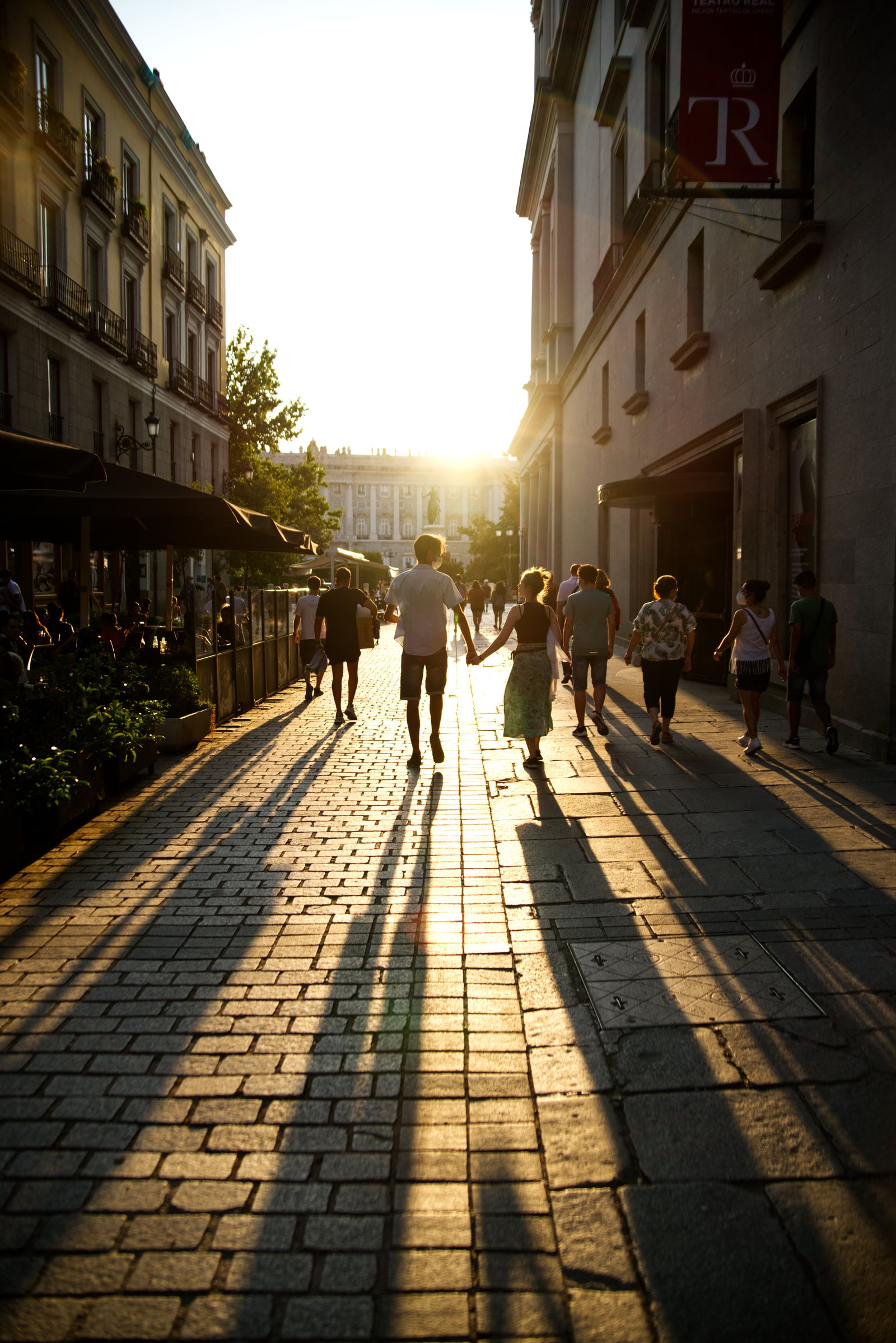
Seeing note
The long shadows do more than decorate the scene; they pull the eye from the foreground toward the figures and the sunlit opening.
What is working
Backlight gives the pedestrians clear silhouettes while the pavement pattern creates a strong path through the frame.
Try this next
Wait for one cleaner gap between the central couple and the surrounding walkers so the human anchor reads faster.
Upload a photograph and Miru turns your instinct into clear feedback: what the image is reaching for, what is already working, and one concrete thing to carry into the next time you shoot.
Light
The low, direct sun throws railing and balcony shadows across the orange wall, making the flat facade feel layered.
Human interest
The white fabric interrupts the warm wall and black railings at the right scale, giving the frame evidence of daily life.
Summary
This succeeds by treating the facade as repeated shapes, warm color, dark shutters, laundry, and hard sunlight.
Strength Tight framing turns the building into a graphic composition.
Try this next Wait for one person, curtain movement, or open shutter to create a clearer human point.
Three ways to grow
Miru is built for the curiosity that keeps people making photos: the desire to understand why an image works, see how it might improve, and learn the craft through the pictures they already care about.
Analyze
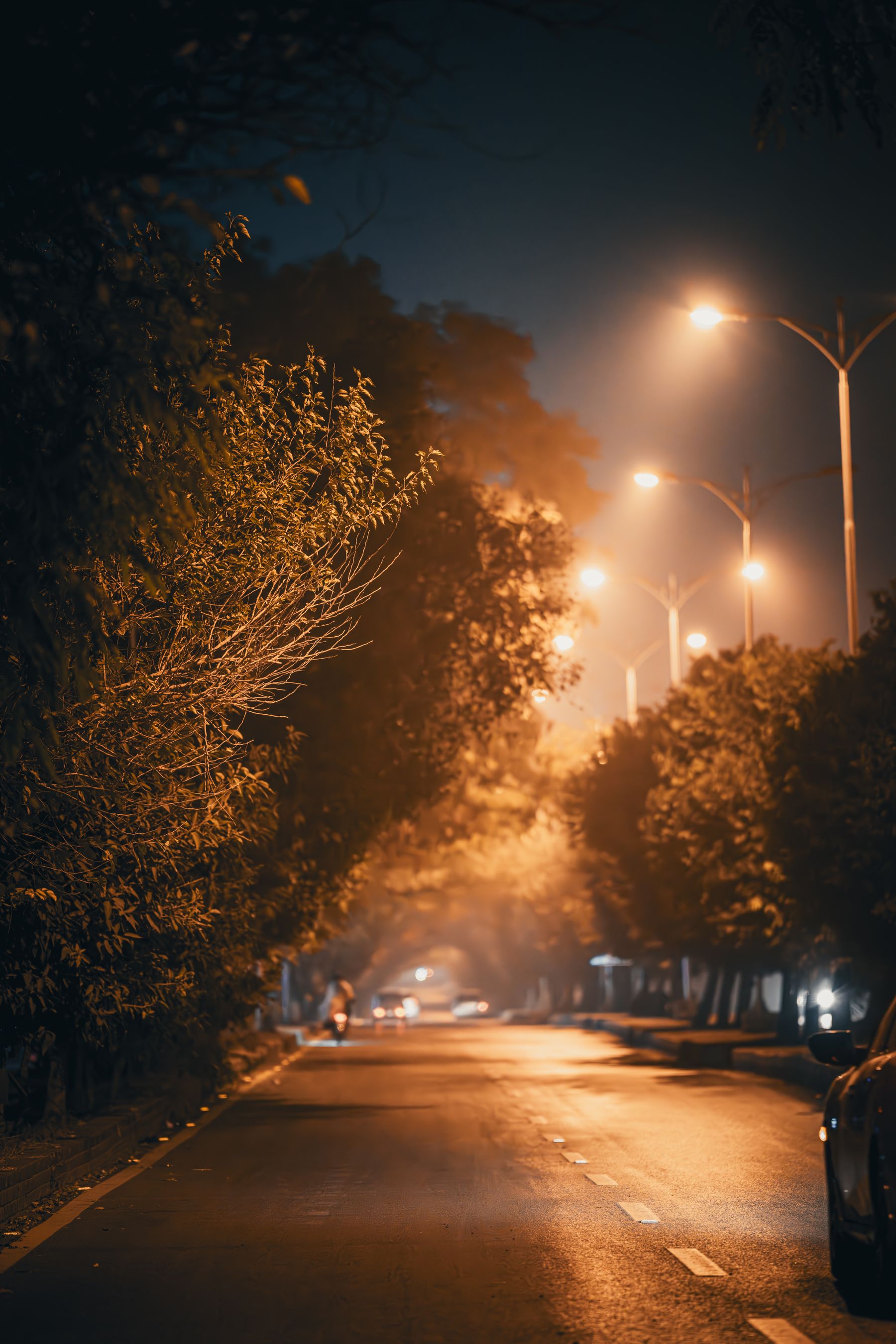
Upload a frame and learn how light, timing, composition, color, and subject placement shape the feeling of the image.
Imagine
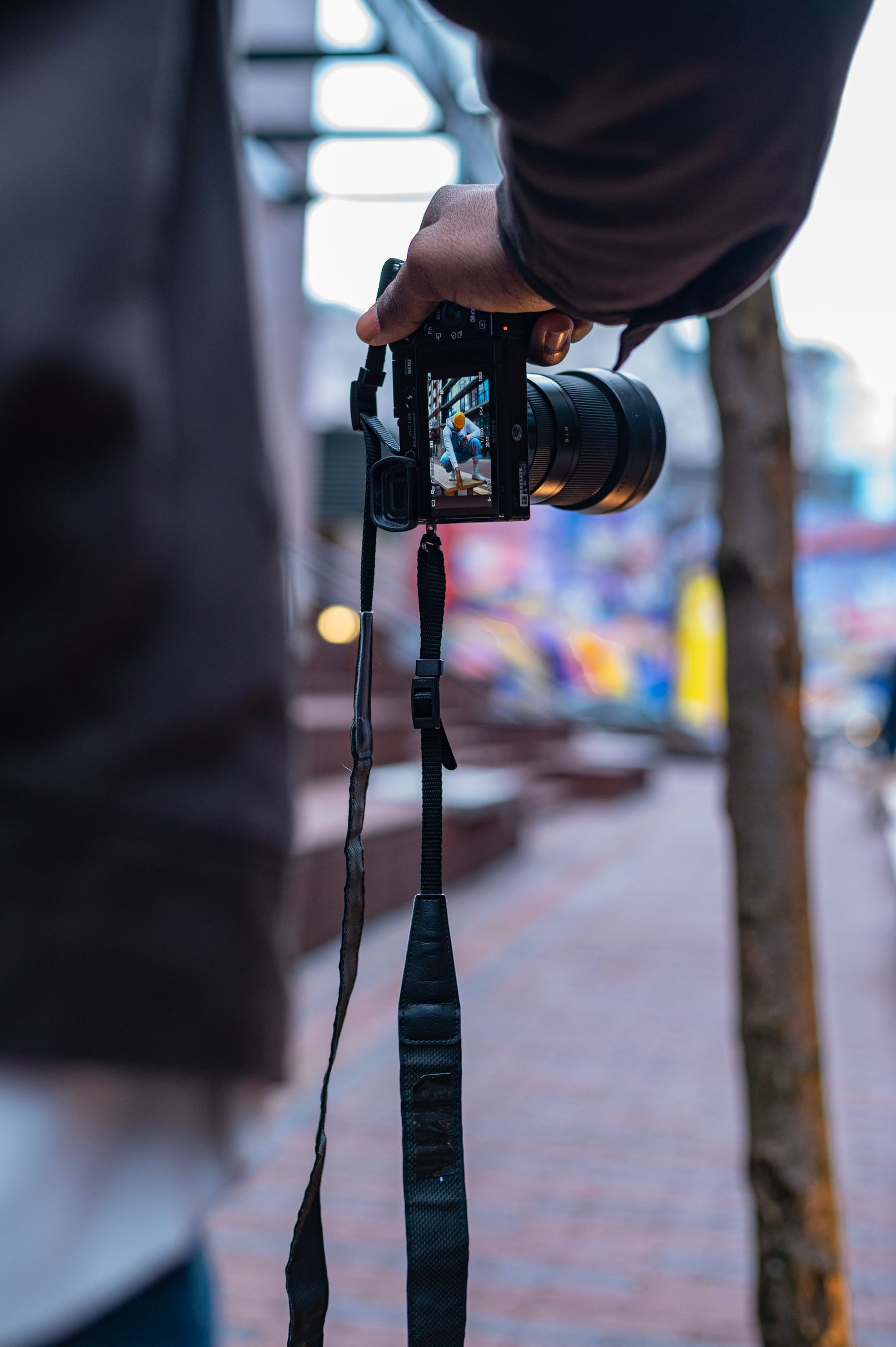
Turn a critique into a visual reference, so you can see what a different crop, cleaner light, or stronger emphasis might feel like.
Compare
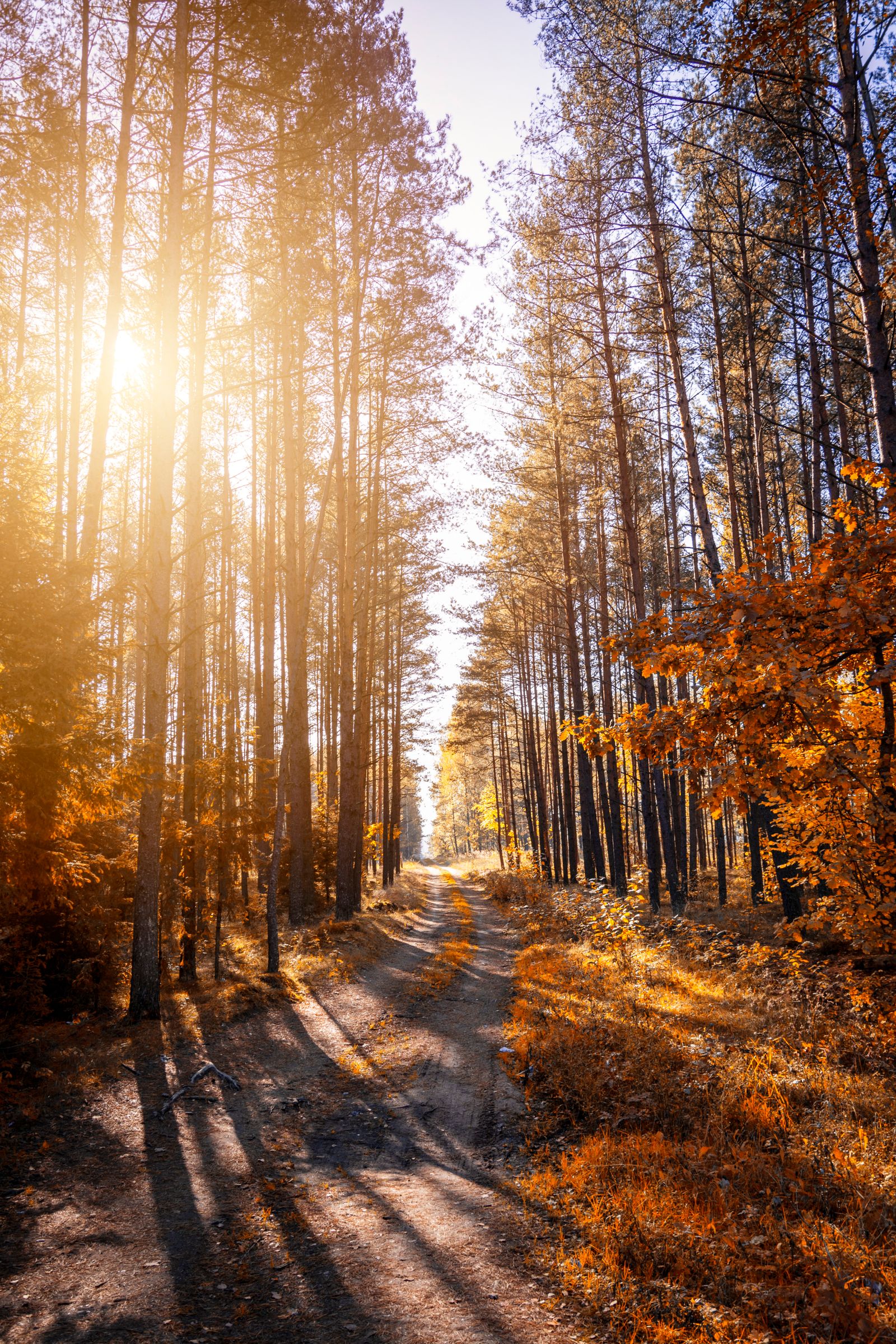
When several frames are close, compare them directly and understand which one is strongest, what it gains, and what it loses.
A practice you can keep
Miru is for people who want photography to become more than occasional inspiration. Bring in your own work, an expert photograph, or any image you keep returning to, and learn how light, timing, framing, color, and restraint shape the feeling of a picture. The point is not to judge the photo. The point is to grow your eye.
Trust your taste
Learn why a line, gesture, color, shadow, or crop changes how the viewer moves through the photo. The goal is to understand your instincts well enough to follow them on purpose.
Build your eye
Bring in work you admire and look past vague inspiration. See how light, framing, subject placement, and visual hierarchy make the image hold together.
Make more intentional work
When several images are close, compare them directly to see what each frame gains and loses. The strongest choice becomes easier to recognize, and the lesson becomes easier to repeat.
Keep growing
Save the observations that matter so your practice becomes cumulative instead of starting over with each photo. A note about one frame can become the idea you carry into the next walk.
What growth feels like
Good feedback should not make you feel like you failed a rulebook. It should make the image more inviting: where the eye enters, where it gets held, where attention leaks away, and what the photograph seems to be asking for. The best feedback gives you a way back into the picture with more attention, not less confidence.
Instead of
"The composition is off." Useful maybe, but too vague to guide the next frame.
You get
"The right edge is pulling attention from the walkway rhythm." Now there is something specific to test.
Try it first
See the interactive hotspots, focused observations, strengths, improvements, ratings, and next-step prompts before uploading your own photo. It is a quick way to understand the pace of the experience: look at the image, read one useful idea, then return to the frame to see it yourself.
Hotspots
Click numbered areas to notice specific visual choices in the frame.
Panel
Read focused notes alongside the photograph, without losing the image.
Next steps
Leave with a focused idea for the next attempt, not a list of chores.
When Miru helps
Review the frames that caught your attention and learn why some stayed with you. Notice whether it was light, timing, color, mood, or the way the frame held together.
Choose the image that communicates most clearly before you share it. Use best-shot comparison when you have several versions and want to know which one carries the feeling.
Connect ideas like framing, balance, contrast, and timing to photos you actually made or photos you admire. Abstract lessons become easier when they are tied to a real image.
Find one focused experiment for your next outing instead of trying to improve everything at once. A smaller question is easier to carry back into the real world.
1. Bring one photo
Start with an image you like, dislike, admire, or simply cannot figure out. The useful photos are often the ones that feel personal, close, or unresolved.
2. Study the frame
Look through strengths, possible improvements, hotspots, and comparison notes. If you have several versions, compare them to see which frame carries the feeling best.
3. Shoot with intent
Take one idea back into the world and make the next frame more deliberately. Growth becomes easier when the next step is concrete.
Privacy
Your photos, analysis, notes, and comparisons are not used to train any models. Your learning archive stays about your own practice.
Data is protected with enterprise-grade encryption in transit and at rest, including uploaded images and saved analysis notes.
Analysis is private by default, and public links can be turned off when you no longer need them. Share only the work you choose.
Start small
Start with one image. Leave with something concrete to notice, change, or practice the next time you pick up a camera. Then come back with the next frame and keep growing.